


Your cart is empty, and it looks like you haven’t added anything yet.
 Medicines
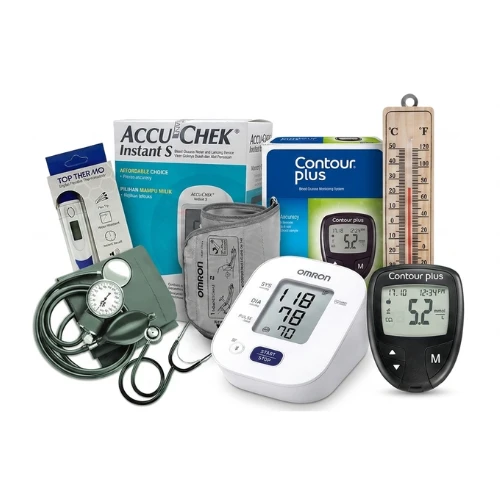 Healthcare Devices
 Supplements
 Beauty
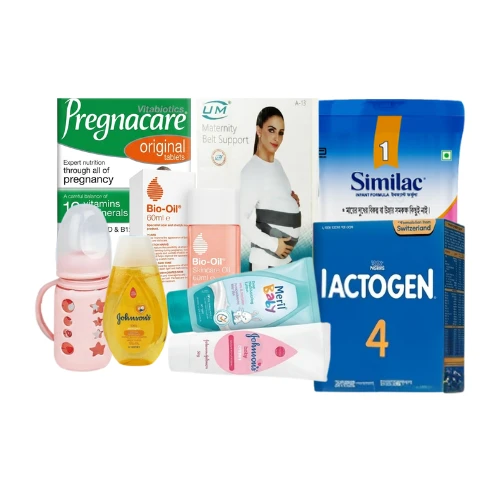 Baby & Mom Care
 Sexual Wellness
 Personal Care
 Home Care
 Food & Nutrition

Pack size: 1 100ml bot | Price is for the whole 100ml bot
⚠ Prescription required. This medicine may only be dispensed against a valid prescription.
Generic: Iohexol
Form: Injection 350mg/ml
Radiographic contrast medium for diagnostic procedures
$4b
Intravascular Iohexol 300/350 Angiocardiography: ventriculography, pulmonary arteriography, venography & studies of collaterol arteries Ventriculography: Iohexol 350: 1.25 mL/kg, range 1-1.5 mL/kg; not to exceed 5 mL/kg or 250 mL, when multiple injections given Iohexol 300: 1.75 mL/kg, range 1.5-2 mL/kg; not to exceed 6 mL/kg or 291 mL, when multiple injections given Pulmonary Angiography: 1 mL/kg Combined Angiographic Procedures - Multiple Procedures -Iohexol 350: Not to exceed 5 mL/kg or 250 mL -Iohexol 300: Not to exceed 6 mL/kg or 291 mL Aortography and selective arteriography: 1 mL/kg single inj dose; not to exceed 5 mL/kg or 250 mL CT Scanning of the Body Head imaging: 1-2 mL/kg; not to exceed 35 gI Iohexol 300 Body imaging via injection: 50-200 mL (Iohexol 300); 60-100 mL (Iohexol 350) Excretory Urography Iohexol 300: 0.5-3 mL/kg of body weight Infants/children: According to age and body weight Usual dose: 1-1.5 mL/kg; not to exceed 3 mL/kg
Procedure-specific. Intrathecal: Myelography in significant local or systemic infection where bacteremia is likely; concurrent use with corticosteroids; repeat myelography in the event of technical failure (risk of overdosage). Hysterosalpingography: During menstrual period or when menstrual flow in imminent; presence of infection; pregnancy, 6 mth after termination of pregnancy or 30 days after conization or curettage.
Allows for radiographic visualization through the opacification of vessels and anatomical structures in the path of flow of the contrast media.
Asthma or a history of allergies (risk of anaphylactoid reactions is increased); compromised blood-brain barrier (severe neurotoxicity after intrathecal use); epilepsy and brain tumour (higher risk of convulsions); severe hepatic or renal impairment, diabetics with renal impairment, dehydration and others who may be at increased risk of renal failure; multiple myeloma (dehydration from use may cause precipitation of protein in the renal tubules, leading to anuria and fatal renal failure); severe hypertension; advanced cardiac disease; phaeochromocytoma; sickle-cell disease; hyperthyroidism; debilitated, severely ill, very old, or very young patients; occlusive vascular disease. Special care to ensure that 140 and 350 mg iodine/ml solutions are not given intrathecally. Adequate resuscitative facilities should be available when radiographic procedures are undertaken, and patients should be kept under observation for a suitable period after the procedure. Lactation: Not known; not recommended
__NAME__ is known as a contrast agent. It is injected into the body before an X-ray test to enhance the visibility of internal body structures. __NAME__ is injected by the doctor during the X-ray examination. The amount you are given will depend on what you are being treated for and how much you need for the examination procedure. The most common side effects of this medicine include nausea, vomiting and diarrhea. Most of these usually go away within a short time of the injection. If you are bothered by them or they go on for longer, talk to your doctor or nurse. It is advisable to stay hydrated before the procedure starts to prevent kidney damage. You should also tell your doctor if you are pregnant, planning to become pregnant or breastfeeding.
{'list': ['Diagnostic agent']}
{'tag': 'Common', 'list': ['Nausea', 'Vomiting', 'Diarrhea']}
Your doctor or nurse will give you this medicine. Kindly do not self-administer.
Iohexol belongs to a class of drugs known as radiographic contrast agents. It enhances imaging due to its high Iodine content attenuating the beam of X-rays during examination.
Not applicable. __NAME__ is given before imaging test, so it is important to take it at the time as advised by the doctor. If you miss the dose, your test results can be inaccurate.
It is unsafe to consume alcohol with __NAME__.
__NAME__ is generally considered safe to use during pregnancy. Animal studies have shown low or no adverse effects to the developing baby; however, there are limited human studies.
__NAME__ is safe to use during breastfeeding. Human studies suggest that the drug does not pass into the breastmilk in a significant amount and is not harmful to the baby.
It is not known whether __NAME__ alters the ability to drive. Do not drive if you experience any symptoms that affect your ability to concentrate and react.
__NAME__ should be used with caution in patients with kidney disease. Dose adjustment of __NAME__ may be needed. Please consult your doctor.
__NAME__ should be used with caution in patients with liver disease. Dose adjustment of __NAME__ may be needed. Please consult your doctor.

No review given yet!
 Fast delivery across our Dhaka service areas
 Safe Payment
 7 Days Return Policy
 Sourced from licensed pharmacies




You need to Sign in to view this feature

This address will be removed from this list
 english